

Director operations Lahore says accused carried ‘international ramifications’, risking Pakistan’s global posture
The National Cyber Crime Investigation Agency (NCCIA) on Tuesday launched a targeted crackdown and arrested 13 suspects accused of spreading anti-state propaganda online, particularly in the context of the ongoing Iran-Israel tensions and Pakistan’s diplomatic efforts for de-escalation.
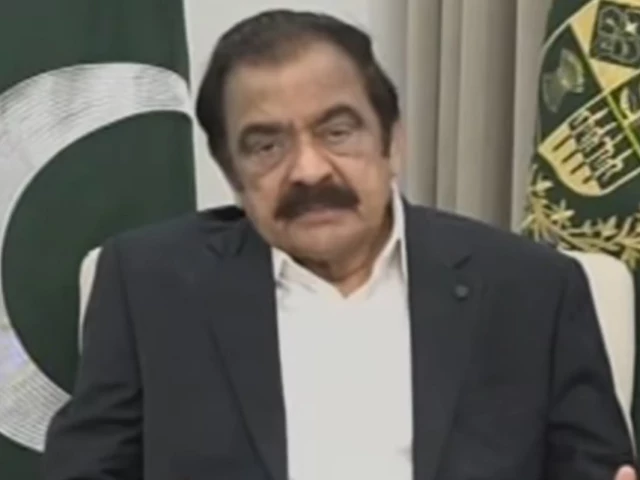
Speaking to The Express Tribune, Ali Waseem, the newly appointed Director of Operations for the Lahore region, said at least 13 suspects had been arrested and charged with disseminating misleading and provocative content across digital platforms.
“These are not isolated cases,” Ali said, adding that some of the material shared by the accused carried “international ramifications” and risked undermining Pakistan’s posture before the global community at a sensitive time.
He noted that certain posts had gone viral beyond Pakistan’s borders, including in neighbouring countries, drawing scrutiny and, in some instances, prompting complaints from foreign embassies.
“This is a serious concern. Digital content today does not remain confined within geographical boundaries,” he remarked.
According to NCCIA officials, several of the individuals under investigation were believed to have been “misguided” or influenced by political affiliations, which shaped the narrative of their online activity. Authorities, however, maintained that both intent and impact were being examined as part of the legal process.
The crackdown came as Pakistan continued to advocate for negotiations and a ceasefire in the Middle East, urging restraint amid escalating hostilities. Officials say the spread of unverified or inflammatory content could compromise these efforts and create confusion at both domestic and international levels.
Waseem further said the agency was employing forensic analysis and digital tracing tools to track the origin and spread of such content. He warned that strict action would be taken under relevant cybercrime laws against those found involved in “malicious campaigns targeting state institutions or foreign policy positions.”
He also urged citizens to exercise caution and responsibility while sharing information online. “Freedom of expression comes with responsibility. People must verify facts before amplifying sensitive content, especially during times of geopolitical tension,” he added.