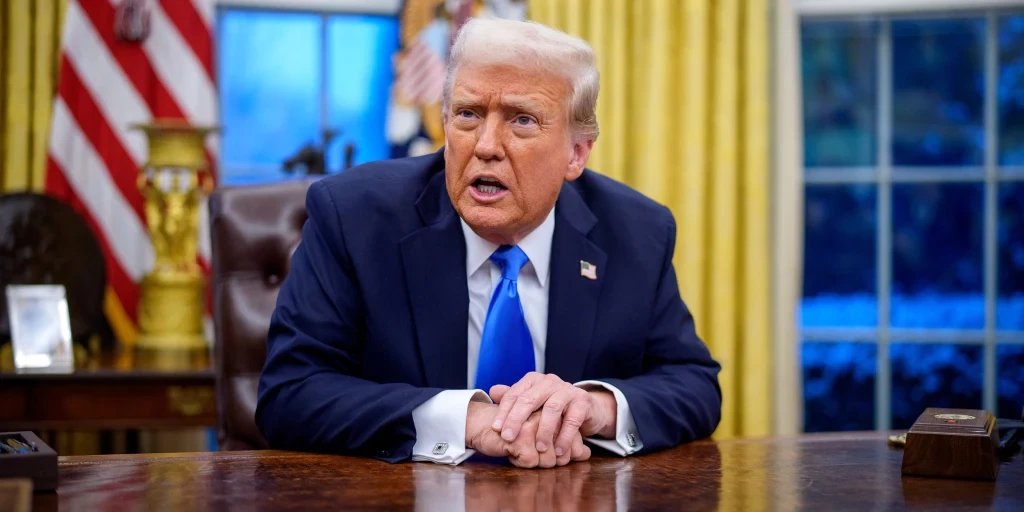
Recent reporting by The New York Times has drawn attention to a political reality confronting President Donald Trump that extends far beyond the battlefield. While his administration has framed the war in Iran as a necessary exercise in national security, its consequences are increasingly being felt at home, where higher fuel prices, public unease and growing questions from lawmakers are beginning to shape the domestic political landscape.
The conflict has added a new layer of complexity to an administration that had hoped to spend much of the year focused on the economy. Instead, the White House finds itself balancing military objectives overseas with mounting pressure from voters who are asking whether the costs of the war outweigh its benefits.
Energy prices have emerged as one of the clearest indicators of that pressure. Global oil markets remain highly sensitive to developments in the Middle East, and any prolonged instability involving Iran carries implications for crude supplies and shipping routes. Even when production is unaffected, uncertainty alone can drive prices upward.
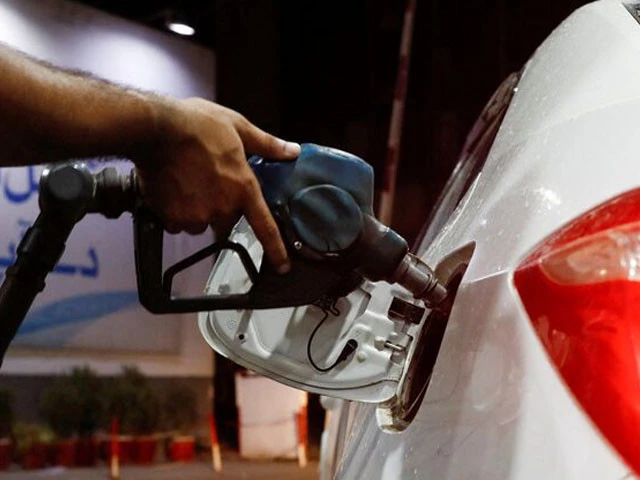
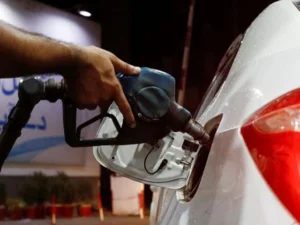
At home, for American consumers, that uncertainty is visible and felt at petrol stations across the country. Rising fuel costs ripple through the broader economy, increasing transportation expenses, raising the price of goods and placing additional pressure on household budgets that have already been strained by years of elevated inflation. For an administration that has repeatedly argued it is improving the economy, higher energy prices risk undermining one of its central political messages.
On the other hand, President Trump has maintained that energy markets will eventually stabilise and has expressed confidence that prices will decline once the conflict subsides. He has also publicly criticised major oil companies for reporting strong profits while consumers face higher costs, arguing that companies should do more to lower prices.
Whether those appeals translate into relief remains uncertain. Energy markets respond to global supply expectations rather than presidential rhetoric, meaning that developments on the battlefield often have a more immediate effect than domestic political messaging.
The economic implications arrive at a particularly delicate political moment. Congressional elections are approaching, and Republican candidates must defend not only the administration’s domestic record but also an expanding military campaign whose duration remains unclear.
Historically, American public support for military action has depended on clear objectives, limited costs and a defined exit strategy. As conflicts become prolonged, political backing often weakens, particularly when casualties rise or economic conditions deteriorate. The current debate reflects many of those familiar dynamics.
Recent opinion surveys suggest that public support for continued military involvement in Iran has softened. While partisan divisions remain, concerns about the financial cost of the conflict and the absence of a clear timeline for its conclusion have become more pronounced. Such shifts matter politically because sustained public opinion can influence lawmakers, especially those preparing for competitive elections.
The administration’s critics argue that the White House now faces a widening gap between its foreign policy objectives and domestic political realities. Every additional week of fighting increases the likelihood that voters evaluate the conflict not simply through the lens of national security but through everyday economic pressures.
The war has also revived a longstanding constitutional debate in Washington over presidential authority to wage military campaigns without explicit congressional approval. Although successive administrations from both parties have relied on broad executive powers for overseas military operations, each new conflict reignites questions about the balance of power between the White House and Congress.
Several lawmakers have argued that military engagements of this scale deserve formal legislative authorisation, particularly when they require substantial public funding and involve long-term strategic commitments. Others contend that the president possesses sufficient constitutional authority to respond rapidly to emerging threats without waiting for congressional approval.
Those legal arguments have now become political ones. Members of Congress are being asked to support additional funding while also explaining the conflict to constituents increasingly concerned about its costs. Even legislators broadly supportive of the administration have begun seeking greater clarity about the war’s objectives and its likely duration.
For Republicans, the challenge extends beyond defending military strategy. President Trump campaigned repeatedly on reducing America’s involvement in prolonged overseas wars, presenting himself as a leader determined to avoid the costly interventions that characterised earlier administrations. The continuation of fighting in Iran inevitably invites comparisons between those campaign promises and current policy.
Opposition Democrats have sought to capitalise on that contrast, arguing that the administration risks becoming entangled in precisely the kind of open-ended conflict it once criticised. Republicans counter that the circumstances surrounding Iran differ substantially from previous interventions and that national security considerations require flexibility.
The political debate is therefore becoming as much about credibility as policy. Voters who supported a restrained foreign policy may judge the administration differently if they conclude that military commitments are expanding without clearly defined goals or measurable success.
At the same time, the White House continues to argue that abandoning military pressure prematurely would strengthen Iran and undermine broader regional stability. Administration officials have maintained that strategic objectives require patience and that temporary domestic political costs should not dictate national security decisions.
That argument may resonate with voters who prioritise security, but it competes against concerns that are more immediate and tangible. Americans experience the consequences of international crises through rising prices, market volatility and uncertainty about the future. Those everyday realities often carry greater political weight than developments thousands of kilometres away.
The intersection of foreign policy and domestic politics has long shaped American presidencies. Military decisions made overseas frequently alter economic conditions at home, influencing public opinion and electoral outcomes in ways that extend beyond the battlefield itself.
As President Trump continues to defend the administration’s handling of both the economy and the conflict in Iran, the two issues are becoming increasingly difficult to separate. The success or failure of the military campaign will not be measured solely by strategic outcomes in the Middle East. It will also be judged by whether Americans believe the economic and political costs were justified.
Source link