


Pennsylvania’s worst public health threat in three decades has been spreading throughout the state for months, beginning to outpace the rate of infections seen during the state’s last major measles outbreak.
A large portion of the cases are affecting a huge chunk of the state’s Amish and conservative Mennonite population, centered in Lancaster County, where nearly 1,400 cases have been confirmed by state health officials.
More than 260 hospitalizations have occurred – and in the past week alone, five deaths from the virus have been confirmed by officials.
While poor vaccination compliance in low-tech, rural communities has been linked to traditional inclinations for natural immunity and a lack of health care access, the virus’s rapid spread and the concentration of endangered babies in the risk pool is forcing many to reconsider.
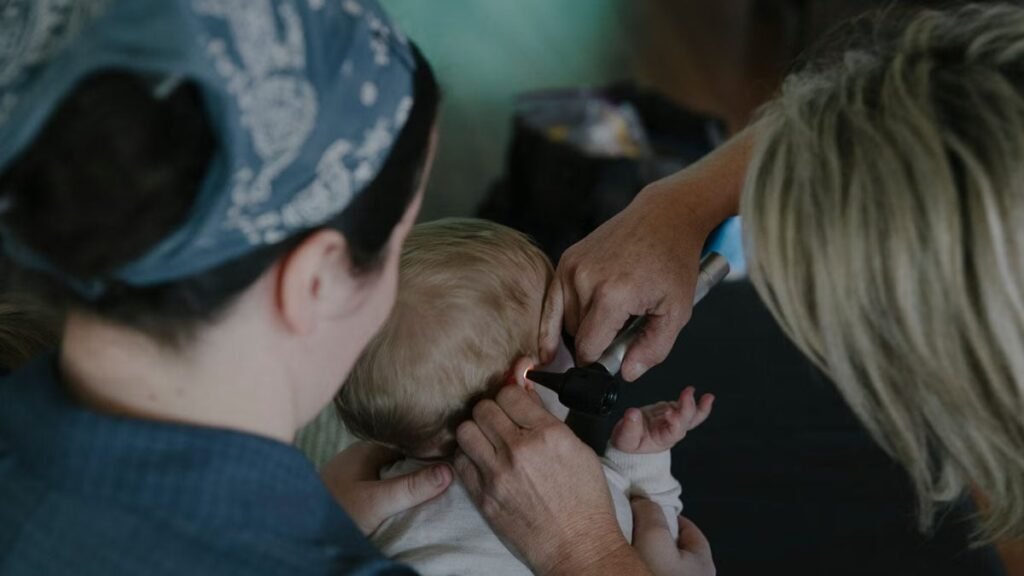
What happened in the emergency: Medical teams on the ground in regional areas are introducing mobile medical clinics and adapting these grassroots clinics specifically to cultural protocols to administer critical doses.
They have built up trust with community elders and are beginning to see the promising development of wider community receptivity, with hundreds of families independently seeking the MMR vaccine and this development is seen as a critical turning point in containing the outbreak to protect the region into winter.
This interaction of concern for cultural protocol, yet response of modern preventative health, is an inspiring public health story, offering useful insight to search engines and health journalists into this public health story.