SSGC petition includes Rs312b interest on GDS receivables, Rs16b Balochistan shortfall
KARACHI:
Business leaders have strongly opposed the Sui Southern Gas Company’s petition to the Oil and Gas Regulatory Authority (Ogra) for a substantial increase in gas tariffs for FY2026-27, urging the regulator to reject the proposal in the interest of industrial sustainability, according to a statement issued on Saturday.
Chairman Businessmen Group Zubair Motiwala and President Karachi Chamber of Commerce and Industry (KCCI) Muhammad Rehan Hanif expressed grave concern that the effective hike reaches 286% when accumulated shortfalls of over Rs545 billion are incorporated, pushing the prescribed gas price to about Rs6,855 per MMBTU.
On a standalone basis, SSGC has sought a 121% increase in prescribed prices to about Rs3,935 per MMBTU, disproportionately higher than the 21% increase requested by SNGPL. The petition converts gas tariffs into a mechanism for recovering historical financial inefficiencies rather than reflecting the actual cost of service, they said. Gas throughput has declined by 9.4%, yet operating expenses have surged by more than 108%, indicating serious lapses in cost control. Embedding a cumulative revenue shortfall of nearly Rs956 billion into current tariffs places an unfair burden on existing consumers, particularly the industrial sector.
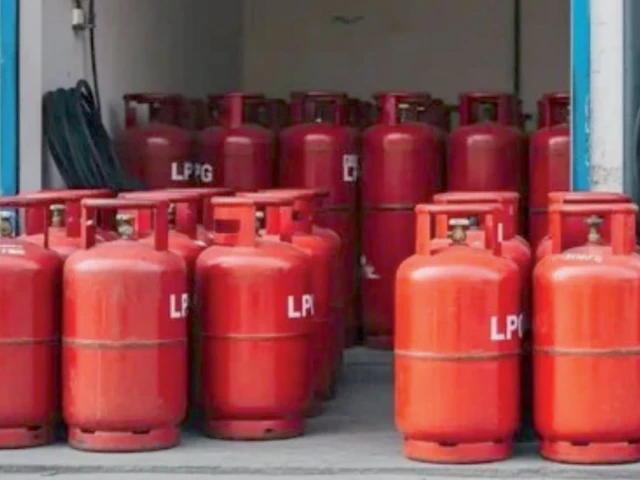
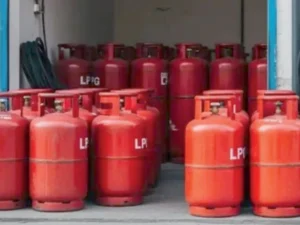
The leadership strongly objected to including Rs312 billion as interest on Gas Development Surcharge (GDS) receivables, stating that this represents a financial dispute between SSGC and the federal government and should not be transferred to consumers. They also rejected the inclusion of Rs16.35 billion as Balochistan revenue shortfall adjustment and Rs2.3 billion for LPG air?mix projects, asserting these are policy?related costs that must be borne by the government.
Motiwala and Hanif said both SSGC and SNGPL must transparently identify the root causes of their financial deficits rather than relying on steep tariff increases. Industrial gas consumption has dropped by nearly 50% due to unviable pricing, while high unaccounted?for gas (UFG) persists, and domestic consumption remains largely unchanged due to heavy subsidies. This distorted structure passes inefficiencies to the paying industrial sector, further accelerating demand destruction.
They criticised the existing cross?subsidy framework where industrial consumers subsidise domestic gas users. The impact is evident from the reduction in captive power plants from around 200 to fewer than 80, and thousands of small and medium enterprises operating at minimal capacity or facing closure. They appealed to the prime minister to intervene and ensure withdrawal of SSGC’s petition.