LAHORE:
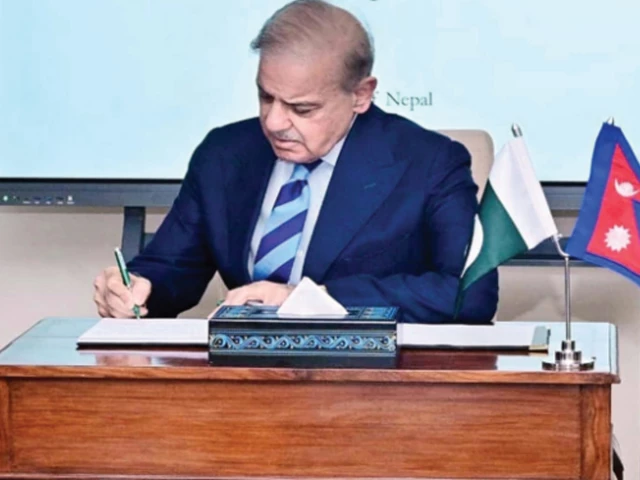
The federal government’s decision to import one million tonnes of wheat has revived a long-standing question: why does an agricultural country, with Punjab once known as the nation’s food basket, continue to rely on imported grain despite repeated official claims of bumper harvests?
The move has sparked criticism from farmers and agricultural experts, who said the issue is not merely about wheat availability but years of inconsistent policymaking, weak procurement mechanisms and the absence of a long-term food security strategy. Pakistan is among the world’s largest wheat producers, with annual output estimated at around 31 million tonnes. Wheat is cultivated on nearly 40% of the country’s cropped area and remains the staple food for more than 240 million people. Punjab contributes nearly three-fourths of the national crop, making it the backbone of Pakistan’s food production.
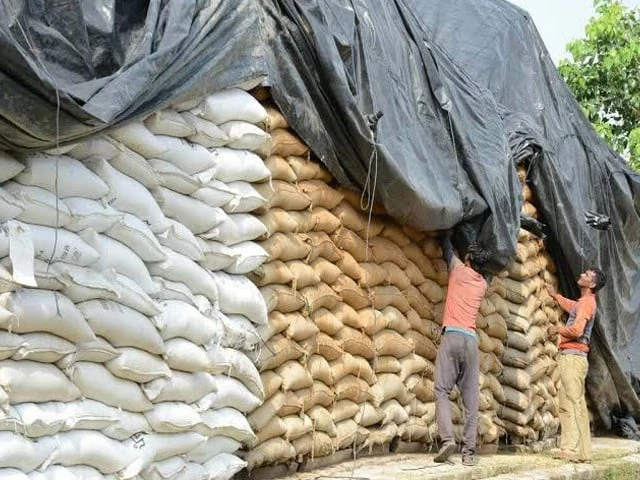
Yet despite production levels that broadly match annual consumption, the country has repeatedly returned to international markets to bridge supply gaps or rebuild strategic reserves. Experts say the mismatch often arises from inaccurate crop estimates, post-harvest losses, inadequate storage facilities, population growth and poor market planning rather than an outright production collapse.
“Government’s decision to import one million tonnes of wheat is a poorly planned, ill-intentioned and anti-farmer policy,” said office bearers of Markazi Kisan League. They added that Pakistan’s economy cannot become stronger without a strong agriculture sector. Protecting local farmers, reducing dependence on imports and ensuring food security should remain the government’s top priorities. The federal government’s decision is intended to strengthen national reserves and ensure food security. However, the timing has angered growers, many of whom are still struggling to sell their freshly harvested crop at prices they say are below production costs.
The controversy has highlighted the impact of Pakistan’s economic reforms under the International Monetary Fund (IMF) programme. While the IMF has not directly ordered Pakistan to stop purchasing wheat from farmers, successive governments have committed to reducing costly market interventions, including the traditional wheat procurement and support price system. The reforms encourage greater private-sector participation in grain markets to reduce fiscal losses and circular debt. As a result, provincial governments have significantly scaled back wheat procurement, leaving farmers increasingly dependent on private traders.
Farmer organisations argue the transition has been poorly managed. Without a strong regulatory framework, private buyers have dictated prices, forcing many growers to sell below cost despite a year of investment in seed, fertiliser, diesel pesticides and electricity.
The economic implications extend beyond agriculture. Importing one million tonnes of wheat is expected to cost hundreds of millions of dollars in foreign exchange, placing additional pressure on Pakistan’s external account at a time when the country is striving to maintain macroeconomic stability under the IMF programme. Critics argue that if domestic wheat is available but remains unsold due to weak procurement policies, importing grain amounts to an unnecessary drain on scarce foreign exchange reserves.
Agricultural economists believe the problem is rooted in policy inconsistency. Over the past decade, governments have alternated between offering support prices, reducing procurement allowing market forces to determine prices and then importing wheat when shortages emerged. Such policy reversals have created uncertainty for farmers, discouraging investment in productivity and long-term cultivation.
Climate change has further complicated the situation. Rising temperatures, irregular rainfall and water shortages have affected yields in several wheat-growing districts, making accurate production forecasting increasingly difficult.