



Narrows 3.4% to $82.4b in April; exports of goods jump 4.0%, imports increase 1.9%
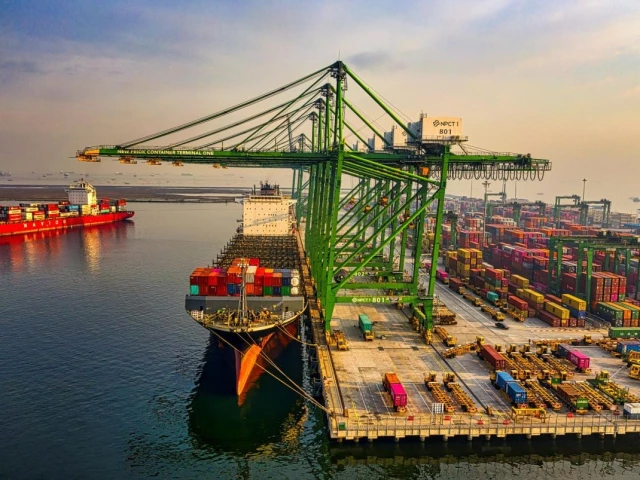
US officials have indicated they hope the Section 301 investigations will be completed before that deadline. PHOTO: PEXELS
WASHINGTON:
The US trade deficit in goods contracted more than expected in April as a surge in exports blunted rising imports, but economists cautioned the trend was unlikely to be sustainable, with businesses ramping up investment in artificial intelligence.
The advance report from the Commerce Department on Friday suggested the three-month US-backed war with Iran, which has disrupted shipping in the Strait of Hormuz, had yet to have a significant impact on the nation’s trade flows. The artificial intelligence spending boom is largely dependent on imports, including computer chips.
The goods trade gap narrowed 3.4%, or $2.9 billion, to $82.4 billion last month, the Commerce Department’s Census Bureau said. Economists polled by Reuters had forecast the goods trade deficit would be $86.5 billion.
Goods exports increased 4.0% to $219.7 billion. There was a 7.5% jump in exports of capital goods. Consumer goods exports shot up 7.8%, while exports of industrial supplies, which include petroleum, increased 2.1%.
“The oil export windfall must have been offset by higher prices for other critical materials imported from Persian Gulf nations, such as fertiliser and aluminum,” said Carl Weinberg, chief economist at High Frequency Economics. “So as expected, the net outcome was a bit less than the energy price spike suggests.”
A strong increase in petroleum exports is expected in the months ahead because of the Middle East conflict. The US is a net oil exporter.
Exports of motor vehicles and parts fell in April, as did those of food, feeds and beverages.
Imports of goods rose 1.9% to $302.1 billion, driven by a 5.6% jump in capital goods, likely tied to AI. Imports of industrial supplies fell 1.9%. There were also sizeable declines in imports of motor vehicles and consumer goods. Economists expect the ongoing Iran war and a ruling earlier this year by the US Supreme Court striking down President Donald Trump’s sweeping tariffs to boost imports this year.