Says a high-level committee has also been formed to devise a formula for petroleum products
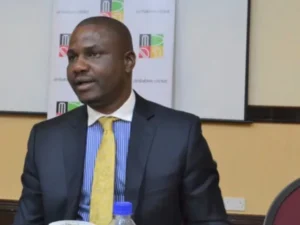
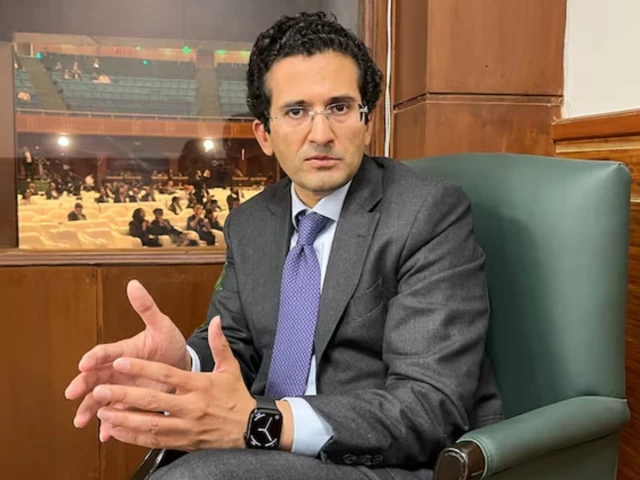
Minister for Petroleum and Natural Resources Ali Pervaiz Malik speaks during an interview with Reuters, during the Pakistan Minerals Investment Forum 2025, in Islamabad, Pakistan April 8, 2025. Photo: Reuters
Petroleum Minister Ali Pervaiz Malik said on Thursday that Prime Minister Shehbaz Sharif had directed authorities to immediately pass the benefit of falling international oil prices on to consumers following the signing of a peace agreement between the United States and Iran.
“International oil prices are falling, and the prime minister has directed that the benefit be transferred to the public immediately. A high-level committee has also been formed to devise a formula for petroleum products,” the minister said in a post on X.
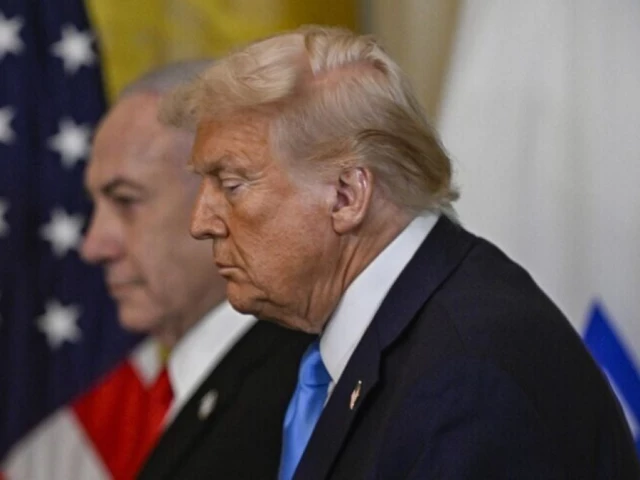
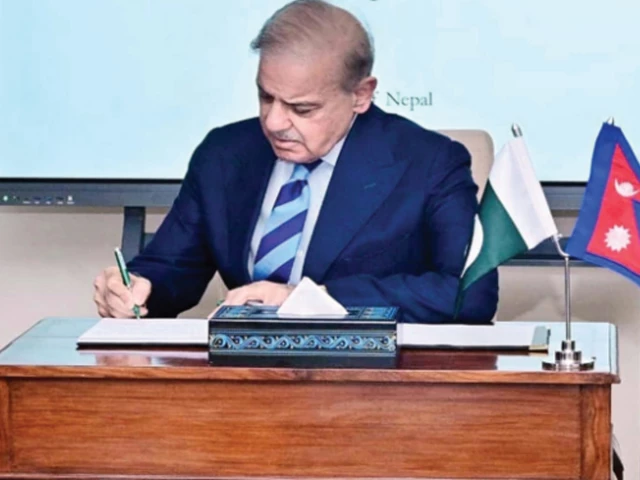
The statement came after PM Shehbaz signed the ‘Islamabad Memorandum of Understanding’ as a mediator, formalising a major diplomatic breakthrough between the US and Iran. The memorandum also carries the signatures of US President Donald Trump and Pezeshkian.
Malik said the efforts of PM Shehbaz, Chief of Defence Forces and Chief of the Army Staff Field Marshal Asim Munir, Deputy PM and Foreign Minister Ishaq Dar and Interior Minister Mohsin Naqvi had borne fruit, culminating in the agreement between Iran and the US.
He added that the government had begun work on a transparent weekly fuel-pricing mechanism so that “whenever changes are required in the future, people can understand the reasons behind them”.
The mechanism would be finalised after comprehensive consultations with all relevant stakeholders, he said.
انشاء ﷲ وزیراعظم، فیلڈ مارشل، وزیرخارجہ اور وزیرداخلہ کی کاوشیں رنگ لا رہی ہیں کیونکہ ایران اور امریکہ جنگ بندی معاہدے پر دستخط کرنے کی طرف بڑھ رہے ہیں۔ بین الاقوامی تیل کی قیمتیں کم ہو رہی ہیں اور وزیراعظم نے ہدایت دی ہے کہ اس کا فائدہ عوام کو فوری طور پر منتقل کیا جائے۔ ایک… pic.twitter.com/POJ9oc9U0D
— Ali Pervaiz Malik (@AliPervaiz450) June 18, 2026
The minister thanked the government’s partners and the public for helping the country manage the regional challenge without any major disruption to the oil supply chain.
“In view of this regional challenge, the government is also reviewing its energy-security paradigm, and several measures have been planned for the coming months to safeguard the state’s interests,” he said.
Earlier in the day, oil prices fell by more than $2 per barrel after the US and Iran signed an interim agreement that would end the Iran war, reopen the Strait of Hormuz and waive US sanctions on Tehran’s oil, boosting the oil supply outlook.
Brent crude futures were down $2.14, or 2.69%, at $77.41 a barrel as of 0616 GMT, and US West Texas Intermediate fell $2.36, or 3.07%, to $74.43 a barrel. Brent sank to its lowest since March 2, which was the first day of trading after the US and Israel began attacking Iran, while WTI was at its lowest since March 4.
As global oil prices surged, the government raised domestic fuel prices by more than 50%. Petroleum product rates were increased twice during the first week of March, with the government stating that the hikes exceeded the increase in international market prices. The sharpest increase, however, was witnessed in April.
In April, the government raised the petrol price by Rs137 per litre, taking it to a record Rs458.4 per litre. Days later, PM Shehbaz announced an Rs80 per litre reduction in the petroleum levy on petrol, bringing its price down to Rs378 per litre.
Last week, the government cut the price of petrol by Rs4 per litre and that of high-speed diesel by Rs2 per litre for the next week. Earlier on June 5, the government reduced the price of petrol by Rs4 per litre. Before that, the government reduced the prices of petrol and diesel by Rs22 per litre, describing the move as an “Eid gift” for the public.