



Region’s coastlines generate $7 trillion in annual economic output but face intensifying threats
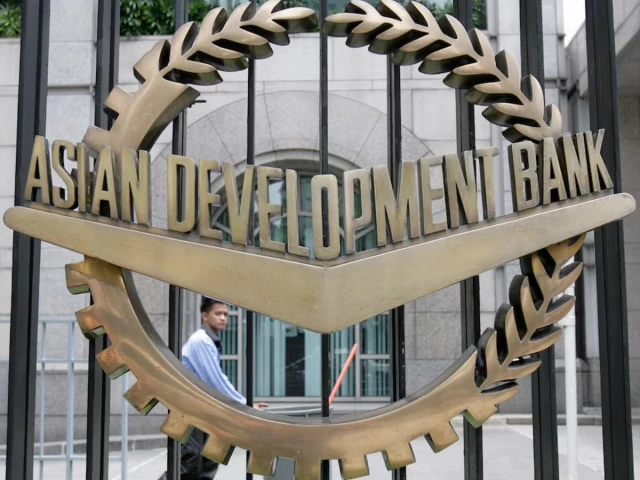
A worker walks past inside the Asian Development Bank (ADB) headquarters in Manila June 17, 2009. REUTERS
Annual coastal flood damages in Asia and the Pacific could rise more than sixfold by 2050 and nearly twentyfold by 2100 without adaptation measures, according to a new report released by the Asian Development Bank (ADB) on Wednesday.
The Asia–Pacific Climate Report 2026: Coastal Risks on the Rise—Actions for a Resilient Future warned that annual flood damages across 30 coastal economies could reach $172 billion to $199 billion by 2050 and $520 billion to $739 billion by 2100, compared with approximately $27 billion today.
According to the ADB press release, the region’s coastlines generate $7 trillion in annual economic output but face intensifying threats from rising sea levels and coastal hazards.
The report noted that investments in coastal resilience could generate benefits up to 20 times greater than the required investment.
It estimated that keeping flood damages near current levels would require annual investment of $9 billion to $19 billion in coastal protection, potentially avoiding $178 billion to $360 billion in flood damages each year.
“Coasts are the overlooked engine-room of Asia and the Pacific’s growth but are retreating in the face of rising seas and escalating hazards,” said Yevgeniy Zhukov, Director General of ADB’s Climate Change and Sustainable Development Department.
Read: ADB to help boost tertiary healthcare
“We are at a turning point and must act now with long-term, adaptive, and risk-informed solutions to create resilient coasts that keep people safe and economies running,” he added.
The report highlighted that more than 400 million people in the region, representing over one in 10 residents of ADB’s developing members with coastlines, live within 10 kilometres of the sea.
It noted that coastal areas serve as major centres for ports and trade, as well as tourism and heritage sites, making them critical to the region’s economic future.
According to the report, larger economies could face some of the highest economic losses in absolute terms without adequate adaptation measures.
However, the relative impact could be particularly severe for atoll nations, where annual flood damages could reach 30% to 60% of gross domestic product (GDP) by 2100 under a high-emissions scenario.
The report warned that coastal floods historically occurring once every 100 years could become annual events by the end of the century in major cities such as Bangkok, Jakarta, Kolkata and Mumbai.
Read more: ADB cuts growth forecast to 3.7%
It also estimated that approximately $40 billion to $45 billion was at risk annually from disruptions to ports across the region.
To strengthen coastal resilience, the ADB called for adaptive planning that connects immediate measures with long-term development objectives while allowing policies to evolve.
The report recommended four steps: integrating adaptive planning into development decisions, strengthening institutions and governance, mobilising financing, and sustaining implementation and ownership.
According to the ADB, international adaptation finance to coastal economies in Asia and the Pacific roughly doubled from approximately $5 billion in 2015 to an annual average of $11.4 billion in 2022–2023.
Despite the increase, the report noted that a substantial financing gap remained.
It stressed that public finance formed the foundation of coastal resilience investment, but closing the gap would require expanding fiscal space and mobilising additional public, private and concessional financing for long-term resilience projects.
The ADB, founded in 1966, is a multilateral development bank supporting sustainable, inclusive and resilient growth across Asia and the Pacific.
The bank works with its members and partners through financial tools and strategic partnerships to address development challenges, build infrastructure and protect the environment.
ADB is owned by 69 members, including 50 from the region.