

Appeal denied based on inconsistent account, contradiction in prison records, mental health assessments
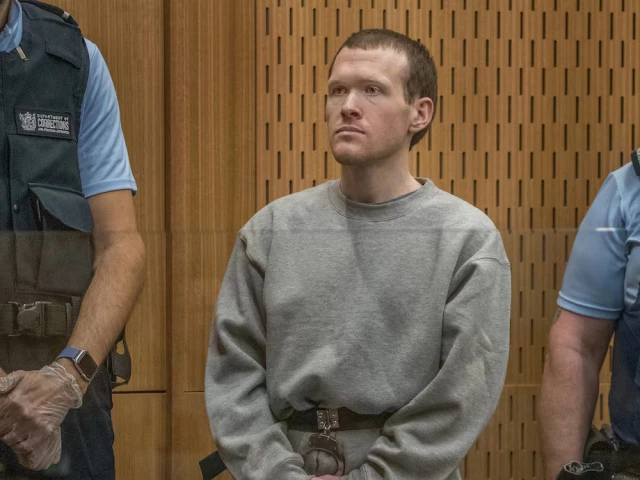
Brenton Tarrant, the gunman who shot and killed worshippers in the Christchurch mosque attacks, is seen during his sentencing at the High Court in Christchurch, New Zealand, August 24, 2020. PHOTO: REUTERS
New Zealand’s Court of Appeal on Thursday denied convicted Christchurch mosque shooter Brenton Tarrant’s bid to appeal his convictions, ruling his attempt to overturn guilty pleas for the country’s deadliest mass shooting was “utterly devoid of merit”.
Tarrant, an Australian national, pleaded guilty on March 26, 2020, to 51 charges of murder, 40 counts of attempted murder and one charge of committing a terrorist attack over the 2019 shootings at two Christchurch mosques. He was sentenced that August to life imprisonment without parole.
The court said Tarrant filed his appeal in November 2022, 505 working days late. His lawyers argued at a February hearing that his guilty pleas were not voluntary and resulted from prison conditions that allegedly affected his mental state.
But the three-judge court rejected their argument. A media release published alongside the judgment said the court found his account was inconsistent and contradicted by prison records, mental health assessments and evidence from his former trial lawyers.
Read: New Zealand mosque shooter tells court mental health forced him to plead guilty
Tarrant’s lawyers from March 2019 to July 2020 told the court in February that he showed signs of anxiety during the original proceedings but did not appear depressed, media reported at the time.
The Court of Appeal said Tarrant was not suffering from mental incapacity when he pleaded guilty and was not coerced or pressured into doing so.
After the February hearing, Tarrant tried to abandon the appeal against his conviction, according to the court, which chose not to allow this, citing significant public interest. The court said Tarrant also dismissed his lawyers, who have since withdrawn as counsel. The lawyers have been given permanent name suppression and could not be reached for comment.
However, the court did allow the abandonment of his sentence appeal. The judges said the interests of society, particularly the victims, strongly favoured refusing more time to appeal. The decision means the appeal process is now at an end.