


WMO warns of potentially strong event, flags risk of above-normal global temperatures
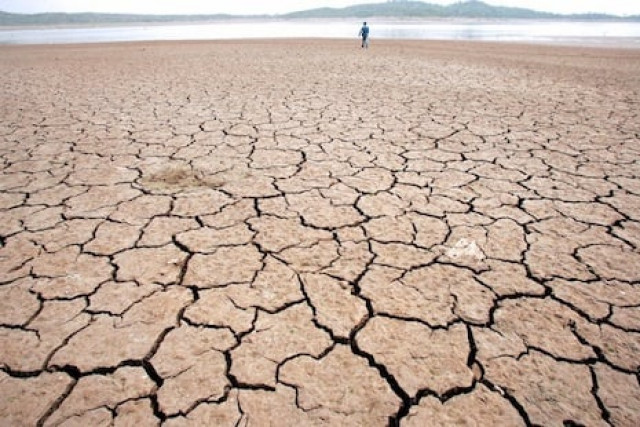
Prolonged dry spells since mid-2014, linked to the El Niño weather phenomenon, have battered subsistence farmers in Central America’s “dry corridor” running through Guatemala, El Salvador and Honduras.
PHOTO: AFP
The warming El Nino weather phenomenon, which pushed global temperatures to record highs during its last cycle, is expected to return by mid-2026, the United Nations said on Friday.
The UN’s weather and climate agency said El Nino conditions could emerge as early as the May–July period. The World Meteorological Organisation (WMO) said early indicators suggest the event could be strong.
An El Niño event is expected from mid-2026, impacting global temperature & rainfall patterns, according to WMO’s global seasonal climate update. Models indicate that this may be a strong one!
More details 👉 https://t.co/zQDJ6uWGJE pic.twitter.com/bqdt9uIaRr— World Meteorological Organization (@WMO) April 24, 2026
El Nino is a naturally occurring climate pattern that warms surface temperatures in the central and eastern equatorial Pacific Ocean, altering winds, pressure and rainfall patterns. These conditions alternate with La Nina, its cooler counterpart, with neutral phases in between.
The previous El Nino contributed to making 2023 the second-hottest year on record and 2024 the hottest ever recorded.
“After a period of neutral conditions at the start of the year… there is high confidence in the onset of El Nino, followed by further intensification,” said Wilfran Moufouma Okia.
“Models indicate that this may be a strong event — but forecast confidence generally improves after April,” he added. El Nino typically occurs every two to seven years and lasts around nine to 12 months.
The WMO said its latest Global Seasonal Climate Update showed a clear shift in the equatorial Pacific, with sea surface temperatures rising rapidly — “pointing to a likely return of El Nino conditions as early as May–July”.
Forecasts also indicate a “nearly global dominance of above-normal land surface temperatures” over the next three months. “There is no evidence that climate change increases the frequency or intensity of El Nino events,” the Geneva-based agency said.
“But it can amplify associated impacts, because a warmer ocean and atmosphere increases the availability of energy and moisture for extreme weather events such as heatwaves and heavy rainfall.”