



Director SIDHRC says patient was in critical condition upon arrival, experiencing bleeding from his body
KARACHI:
A 17-year-old boy died on Thursday in a hospital after contracting the Congo virus, marking the first confirmed death from the disease this year.
Sindh Infectious Diseases Hospital & Research Centre Director, Dr Abdul Wahid Rajput, while confirming the death, said that the patient was in critical condition upon arrival and was experiencing bleeding from his body.
“He was immediately admitted to the intensive care unit, where treatment continued under strict isolation protocols; however, he later died,” he added.
According to Jinnah Hospital spokesperson Dr Waqas, the teenager was brought to the emergency department on Monday after complaining of a high fever.
“The patient, who worked at a livestock farm, showed symptoms of Crimean-Congo Haemorrhagic Fever (CCHF), prompting the medical team to transfer him to the isolation unit as per the hospital’s protocol,” he said.
Dr Waqas added that blood samples were taken and sent to Aga Khan University Hospital for testing. “The results later confirmed the presence of Congo virus, leading to the patient’s transfer to the Infectious Diseases Hospital on Tuesday for further treatment.”
Read: From HIV to monkeypox
Sindh reported its last casualty from the Congo virus in 2025, after a fisherman from Ibrahim Hyderi died on June 19, bringing the total death toll in the province to two in 2025.
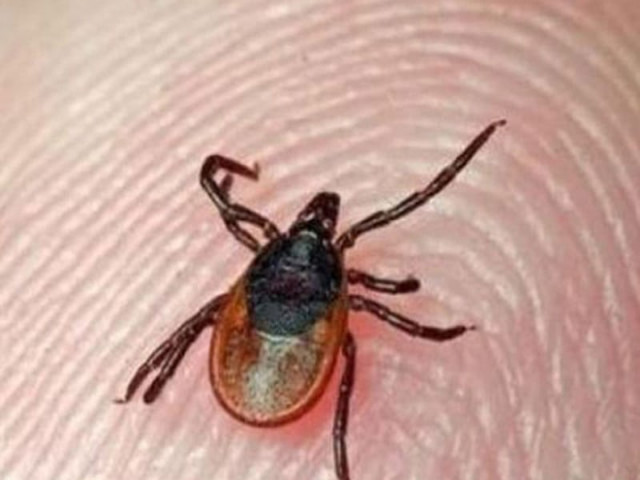
The Congo virus is a tick-borne viral disease that can cause severe hemorrhagic fever in humans. The virus is primarily transmitted through bites from infected ticks, particularly those of the Hyalomma species, or through direct contact with blood or tissues from infected animals.
Human-to-human transmission can also occur through exposure to infected bodily fluids, making the virus particularly dangerous in healthcare settings.
CCHF was first identified in the Crimea region in 1944, and later in the Congo in 1956, giving it its name. The disease is now endemic in several regions, including parts of Africa, Asia, Eastern Europe, and the Middle East. Countries like Pakistan, Afghanistan, Turkey, and Russia have reported regular outbreaks. Due to the widespread presence of its tick vectors, CCHF has the potential to affect a large geographic area.