
War strains munitions stockpiles, drives up energy prices as inflation expected to increase by 0.5% in early 2027
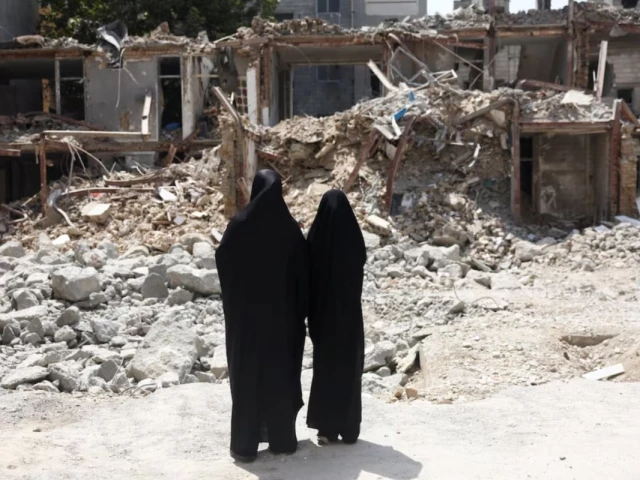
Iranian women look at a building, which was damaged in a US and Israeli strike in March, in Tehran, Iran, August 22, 2026. — REUTERS
The six-month-old United States war against Iran has cost $38 billion so far and that amount is projected to rise by $3 billion a month, Congress’ nonpartisan bookkeeper reported on Tuesday, as the Trump administration searches for ways to end the conflict and reopen the vital Strait of Hormuz.
The war is expected to increase inflation by 0.5% in the first three months of 2027, according to the Congressional Budget Office accounting, which totaled expenses through August 1.
The mounting costs have strained US munitions stockpiles and driven up energy prices, raising concerns about the country’s ability to respond to other potential conflicts and adding pressure on an already stretched federal budget.
The cost was close to the $37.5 billion that Defence Secretary Pete Hegseth reported at a Senate hearing on July 21.
The budget office said the majority of the costs stem from the rapid drawdown of munitions, estimating that it could take five years to replenish US stockpiles. Reuters reported in August that the US had used “virtually all” of its long-range precision missiles during the war.
The Department of Defence did not cooperate with congressional financial auditors, CBO reported.
Read: Trump veers from boredom to denial after six months of Iran war
White House spokeswoman Anna Kelly described President Donald Trump’s attacks on Iran as “decisive action” to prevent Tehran from harming US personnel or interests. She said in a statement that the US military has “more than enough munitions, ammo, and stockpiles to serve all of the Commander-in-Chief’s strategic goals and beyond.”
Chief Pentagon spokesperson Sean Parnell disputed the report’s findings of munitions shortages and said, “We have everything required to strike at the time and place of the president’s choosing.”
The cost inquiry was conducted at the request of the top Democrat on the US House of Representatives Budget Committee, Brendan Boyle of Pennsylvania.
“Donald Trump’s disastrous war in Iran has already taken the lives of brave American servicemembers and left others wounded,” Boyle said in a statement. “Beyond that human toll, this nonpartisan CBO report makes clear that the war has also cost American taxpayers tens of billions of dollars and counting, while continuing to drive up costs.”
18 US military service members have died in the Iran war.
The report did not include costs of recent strikes on commercial vessels in the Strait of Hormuz and attacks on US military installations in the region. It also did not factor in the borrowing expenses associated with financing the war, which could add tens of billions of dollars to the total cost.
Impact on US readiness
The CBO accounting found the war could have sprawling consequences for the US defence posture and the domestic economy.
The deficit in critical munitions, including missile interceptors, risks hampering the Pentagon’s response in the event of another major conflict, such as potential hostilities involving China, CBO said.
At the July hearing in the Senate, Hegseth pleaded for nearly $90 billion in emergency funding to restock munitions supplies. “Without these funds, we face critical shortfalls,” Hegseth said.
The Pentagon’s inspector general reported this week that Iran had damaged or destroyed hundreds of buildings on US bases in the Middle East as well as aircraft including fighter jets, refueling planes and drones.
Read More: Trump ignored top-level warnings before launching Iran war: report
It put the war cost through June 19 at $33.4 billion, saying the amount included about $184 million in damages to US diplomatic facilities from Iranian strikes.
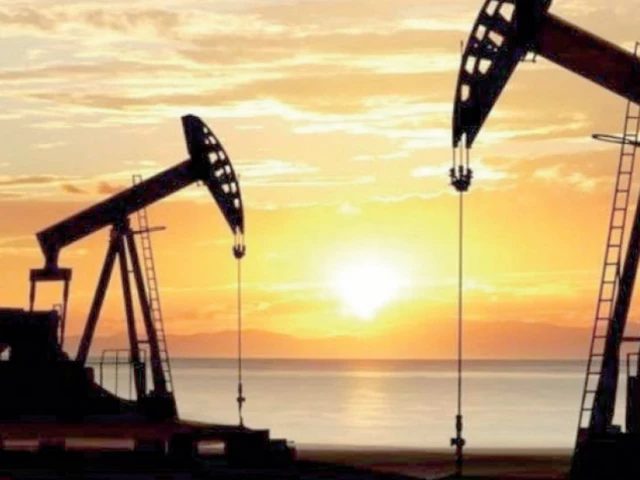
Energy shocks caused by attacks in the Strait of Hormuz — the narrow waterway through which roughly 20% of the world’s oil traveled before the war — and on energy facilities in neighbouring Gulf countries have sharply increased prices for consumers and global producers.
The rising cost of the war also threatens to weigh on deteriorating US fiscal health. The nation’s total public debt surpassed $40 trillion in August.
Trump regularly contrasts the Iran war with the US invasions of Iraq and Afghanistan that followed the September 11, 2001, attacks. The eight-year US war in Iraq, which involved more than 100,000 ground troops at its peak, cost $2 trillion, Reuters reported. The two-decade-long US conflict in Afghanistan, which also involved more than 100,000 troops at its most intense, cost $2.3 trillion, according to Brown University’s Costs of War project.