


ISLAMABAD: The District Health Office has stepped up efforts to prevent the spread of dengue in Islamabad, ARY News reported on Monday.
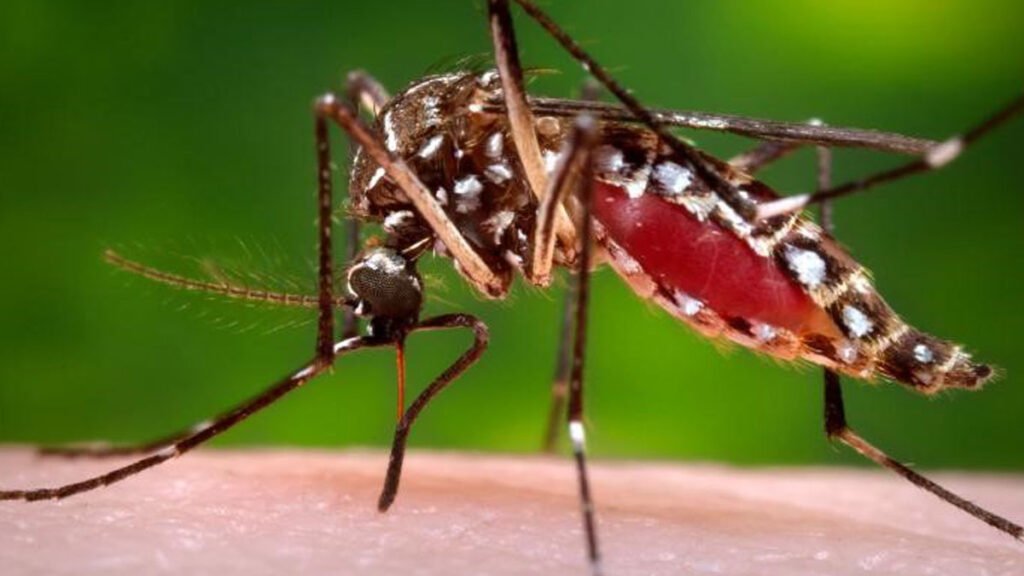
Dengue is a viral infection spread by mosquito bites that causes high fever and severe body aches.
The District Health Office has intensified surveillance and control activities in dengue hotspots and high-risk areas across the capital.
According to a spokesperson for the District Health Office, six dengue cases were reported in Islamabad between January 1 and September 13. Three cases were reported from rural areas and three from urban areas.
The spokesperson said the prevention activities included household surveillance, visits to dengue hotspots and public awareness campaigns.
Field teams successfully eliminated 9,427 potential mosquito breeding sites, while they visited 7,057 hotspots and inspected 58,859 homes.
The District Health Office said continuous field surveillance was being carried out to keep the spread of dengue under control.
The office stressed that eliminating mosquito breeding sites, monitoring hotspots and ensuring public participation were essential to preventing the spread of dengue.
Read more: Dengue claims three more lives in Sindh; 113 new cases reported
Citizens have also been urged to cooperate with anti-dengue teams and support ongoing prevention efforts.
What is Dengue Virus?
The virus that causes dengue fever infects people when they are bitten by infected mosquitoes. Mosquitoes that carry Aedes aegypti and, to a lesser amount, The disease is mostly spread by Ae. albopictus mosquitoes. Dengue virus is the name of the virus that causes dengue fever.
Symptoms
- High fever up to 104°F (40°C)
- Severe headache and pain behind the eyes
- Muscle, bone, or joint pain (often called “break-bone fever”)
- Nausea, vomiting, and skin rash
Dengue Treatment
There is no specific medication for dengue fever. Vaccines against dengue disease are still being developed. Right now, the best ways to prevent disease in areas where dengue fever is endemic are to avoid mosquito bites and take steps to reduce the mosquito population.
Drink a lot of fluids as you recover from dengue fever. If you experience any of the following dehydration symptoms contact your doctor straight away.