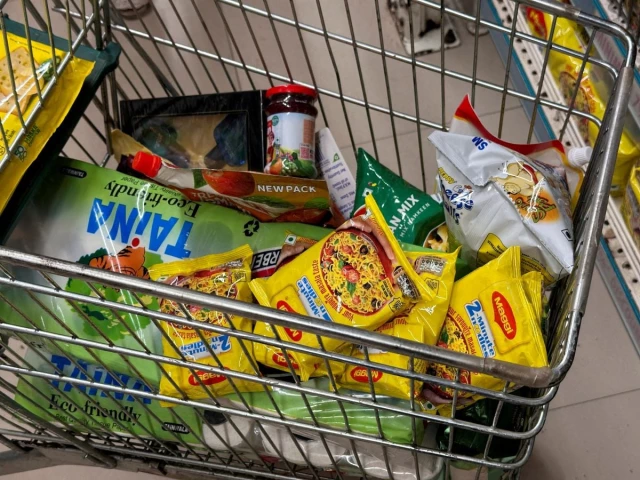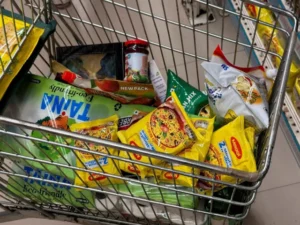

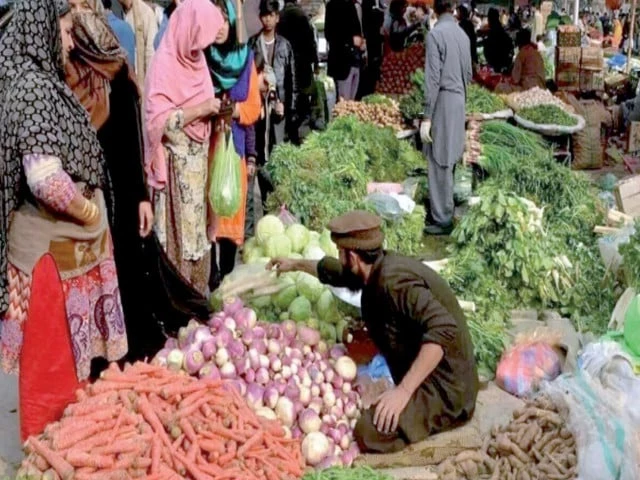
PRICE MOVEMENTS: The price of onions – an essential kitchen item – rose 75% year-on-year, while milk products became nearly 10% more expensive. However, potato prices fell 35%, and sugar prices dropped 21% due to sufficient stocks and the government’s resistance to millers’ export demands. PHOTO: FILE
ISLAMABAD:
Despite food inflation surging to its highest level in over two years, Pakistan’s annual overall inflation rate slowed to a single digit of 9.2% in July for the first time in four months, driven by cooling non-food prices, according to data released by the Pakistan Bureau of Statistics (PBS) on Monday.
The Consumer Price Index (CPI)-based annual inflation rate of 9.2% was the lowest since April this year. However, the hike remained the highest in the South Asia region, barring Bangladesh. The PBS, the national data collecting agency, reported a slowdown in inflation rates in both urban and rural areas of the country.
The rate was the lowest since April this year when the average increase in the prices of goods and services had surged to double digits due to the Middle East conflict.
However, the rate was still more than double the 4.1% recorded in July last year, indicating the impact of the regional war and the government’s decision to not only recover prices but also keep tax rates high to meet fiscal targets.
The latest inflation data from regional countries, mostly available for June, showed Pakistan’s rate was almost the highest in the region, except Bangladesh. In India, inflation was 4.4%, Bhutan 5.8%, Maldives 2.9%, Nepal 5.2%, Sri Lanka 7.3%, and Bangladesh 9.2% – equal to Pakistan’s rate.
Food inflation rose to 9.6% in urban areas, the highest since April 2024 when it stood at 11.3%. Food inflation was 10.2% in villages and towns last month – also the highest since April 2024 when it was recorded at 9.5%.
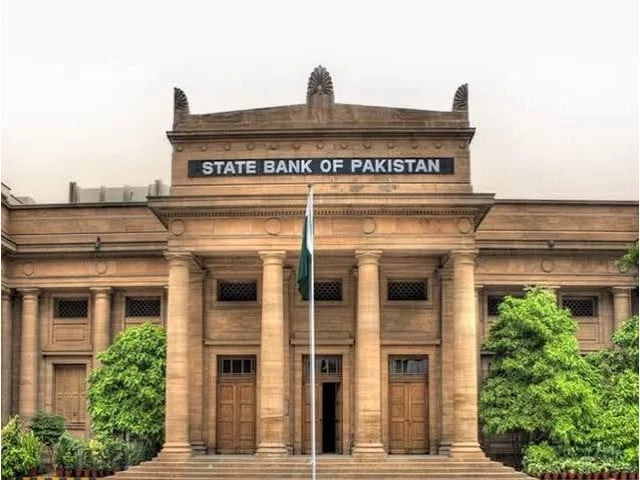
The government has set an 8.2% inflation target for the current fiscal year, with the State Bank of Pakistan responsible for price stability. However, surging wheat and wheat flour prices, coupled with higher transportation charges, have pushed food prices higher.
Non-food inflation slowed to 8.2% in urban areas – the lowest in five months – and to 9.7% in rural areas, the lowest in four months.
Core inflation, calculated after excluding volatile energy and food prices, remained largely stable last month, except for some upward movement in rural areas.
The highest increase in the price of any consumer items’ group was in transport where the inflation rate went up by 15% last month compared to a year ago, showing the impact of increase in transport fares because of constant rise in the prices of high-speed diesel and petrol. The increase in transport inflation was more pronounced in urban areas where it was recorded at 16.5%, according to the PBS.
Tomato prices surged 175% last month compared to the same month last year. Wheat prices rose 78%, while wheat flour prices increased 68%.
The federal government has decided to import up to one million metric tonnes of wheat on provincial requests – just four months after harvesting and official claims of 29.7 million metric tonnes production this year.
The governments of Sindh and Punjab failed to meet their procurement targets. Despite conducting raids to recover hoarded commodities, provincial authorities have been unable to arrest rising prices.
All four provincial governments have sought 2.2 million metric tonnes of wheat from federal stocks, necessitating the first wheat imports in three years. Monthly consumption is estimated at 2.5 million metric tonnes.
The price of onions another essential kitchen item – rose 75% year-on-year, while milk products became nearly 10% more expensive. However, potato prices fell 35%, and sugar prices dropped 21% due to sufficient stocks and the government’s resistance to millers’ export demands.
The PBS reported that the taxes on motor vehicles also increased by 39% last month – an outcome of the new budget measures. Likewise, the price of petrol per litre also increased 16% compared to last year – a result of the Middle East conflict and the government’s decision to pass on the full increase to consumers.