

Judge blocks implementation of plan to place crocodiles in trenches surrounding Ketziot Prison in Negev desert
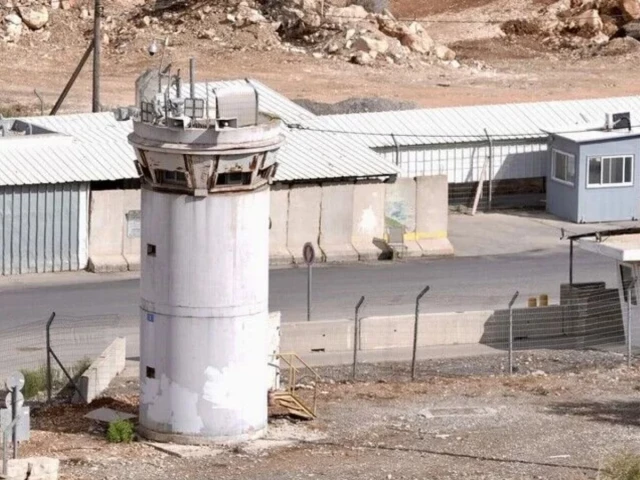
An Israeli court temporarily froze National Security Minister Itamar Ben-Gvir’s plan to place crocodiles around Ketziot Prison in southern Israel’s Negev desert, where Palestinian detainees from the Gaza Strip are being held, according to Israeli media on Monday.
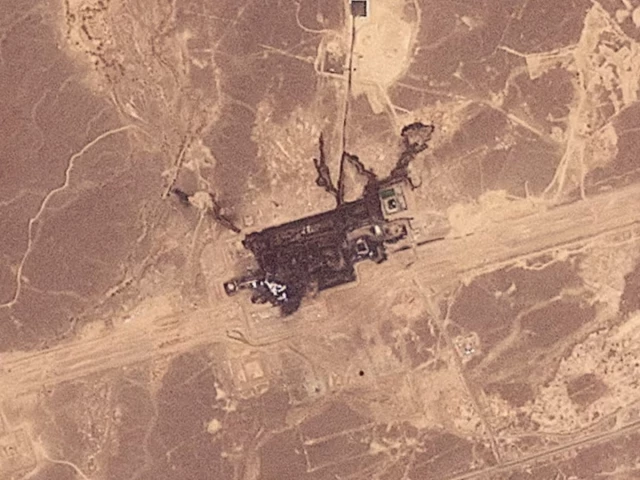
Israeli authorities began digging trenches around a section of the prison housing Palestinians detained from Gaza over allegations of involvement in the October 7, 2023, events. According to a plan by Ben-Gvir, crocodiles will be placed in these trenches.
Israel’s public broadcaster KAN reported that the Jerusalem District Court issued the temporary injunction on Sunday evening after the animal rights organisation Let the Animals Live filed a petition against the plan, which is backed by the National Security Ministry and the Israel Prison Service.
Judge Avraham Rubin barred authorities from taking any steps based on Environmental Protection Minister Idit Silman’s decision to classify crocodiles as “tended wild animals,” a legal designation that would allow them to be transferred and kept at the prison.
Also Read: Israeli strikes kill nine in Gaza, Israeli minister says no deal to halt attacks
The broadcaster said the ruling came hours after the organisation filed an administrative petition against Silman, Ben-Gvir and the Israel Prison Service.
The temporary order will remain in effect until authorities submit their response to the court, which is expected by mid-August.
According to KAN, the dispute centres on Silman’s July 15 decision, which was intended to allow crocodiles to be used as “a deterrent and security measure at prisons.”
The petition argues that the move “changes the legal status of crocodiles and the removal of the control and licensing mechanisms imposed on them as protected wild animals.”
The broadcaster said Let the Animals Live argued that the Israel Prison Service had already begun infrastructure work, including digging a canal around the prison, adding that the National Security Ministry allocated 21 million shekels (about $6.9 million) for the pilot project.
The organisation noted that the decision was made without sufficient legal authority and ignored professional and legal opinions warning of risks to the animals, the public and the environment, KAN added.
Read More: Former Israeli envoy says Tel Aviv’s influence in Washington has ‘diminished sharply’ under Trump
KAN said the government has not yet submitted its official position to the court and is expected to do so in response to the request for the injunction.
Animals Live and the Environmental Justice and Animal Rights Clinic at Tel Aviv University said the court’s order prevents irreversible work from proceeding at this stage and protects the welfare of the animals while they continue efforts to have the plan permanently cancelled.
Since taking office in late 2022, Ben-Gvir has overseen a tightening of detention conditions for Palestinian prisoners, including policies involving starvation, medical neglect, torture and solitary confinement.
About 9,500 Palestinian prisoners, including women and children, are currently held in Israeli prisons under harsh conditions, with dozens reported to have died as a result of starvation, torture and medical neglect, according to Palestinian and Israeli rights organisations.