Aurangzeb stresses debt should remain an instrument for development, not a constraint
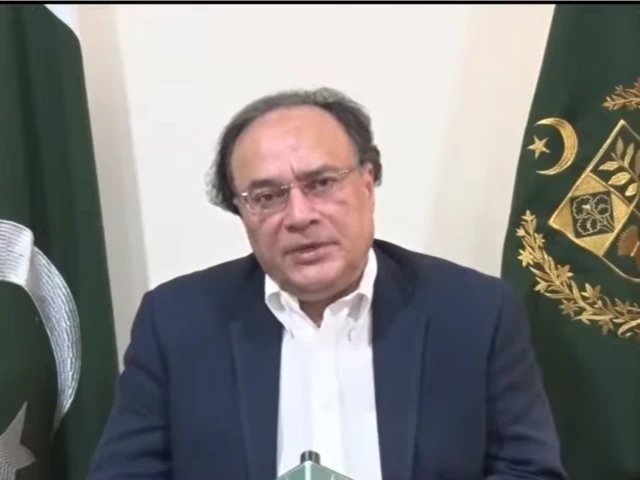
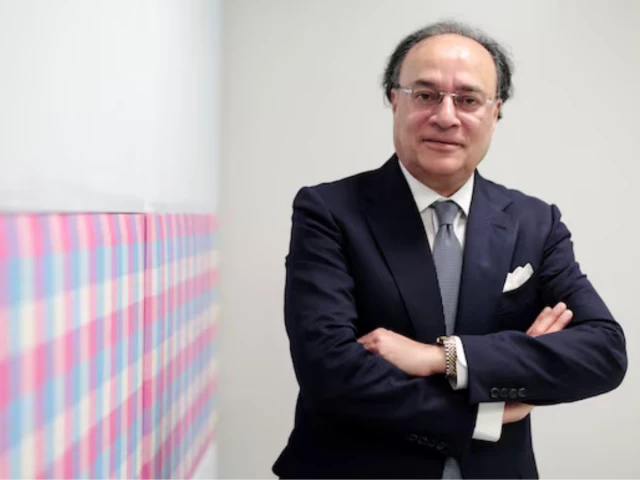
Pakistan Finance Minister Muhammad Aurangzeb poses after a Reuters interview in the IMF/World Bank 2026 Annual Meetings at the Queen Sirikit National Convention Center (QSNCC) in Bangkok, Thailand, October 12, 2026. PHOTO: REUTERS
BANGKOK:
Federal Minister for Finance and Revenue Senator Muhammad Aurangzeb has accepted the chairmanship of the Governing Council of the Borrowers’ Platform on behalf of Pakistan, acknowledging Egypt’s leadership and the contributions of member countries and the Secretariat in operationalising the Platform.
He emphasised that the Platform should promote mutual learning and technical cooperation rather than serve as a collective bargaining or crisis-management mechanism. Outlining Pakistan’s priorities under the 2026-27 work plan, he highlighted strengthening debt-management practices, sharing reform experiences and exploring innovative development-financing instruments. He stressed that debt should remain an instrument for development rather than a constraint on it.
The minister was participating in a series of meetings and ministerial engagements on the sidelines of the Annual Meetings of the World Bank Group and the International Monetary Fund (IMF) in Bangkok, according to a statement issued on Monday. The engagements focused on macroeconomic stabilisation, structural reforms, investment, climate finance and cooperation on debt management. In a meeting with IMF First Deputy Managing Director Dan Katz, the minister discussed Pakistan’s stabilisation, progress under the IMF-supported programme and structural reforms. Both sides welcomed the staff-level agreement and acknowledged improvements in fiscal performance, foreign exchange reserves, inflation and external sector stability.
Aurangzeb highlighted improved investor confidence, sovereign credit rating upgrades and renewed access to international capital markets. Discussions also covered the impact of the Middle East conflict on energy prices and inflation. Participating in the 17th V20 Ministerial Dialogue, he appreciated the V20’s support in developing Pakistan’s Climate Prosperity Plan and referred to Pakistan’s inaugural green Panda bond. He cautioned against initiatives remaining unimplemented, citing the Loss and Damage Fund.
He later met United Nations (UN) Under-Secretary-General and Executive Secretary of the Economic and Social Commission for Asia and the Pacific (ESCAP) Armida Salsiah Alisjahbana. He identified climate change and population growth as challenges and sought technical support for disaster preparedness and bankable climate projects.