

FBR targets per-unit consumption, sets Rs30 rate for most, Rs5 for scrap importers
ISLAMABAD:
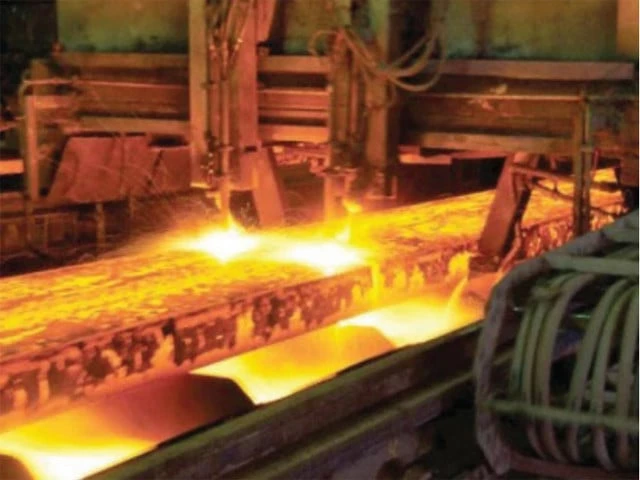
The federal government has introduced a new mechanism for the collection and payment of sales tax from electricity-based steel melters, re-rollers and composite units, linking tax liability directly to per-unit electricity consumption in a move aimed at improving tax compliance in the sector.
The new tax regime will also apply to units using self-generated electricity, including power produced from bagasse by sugar mills or other sources. All relevant units will fall within its ambit regardless of the nature of their electricity connection, ensuring a uniform application across the industry.
The notification will come into force on July 1, 2026, aligning with the start of the new fiscal year and affecting a significant segment of the country’s steel manufacturing sector.
According to a notification issued by the Federal Board of Revenue (FBR), the federal government has exercised its powers under the Sales Tax Act, 1990 to introduce this framework. The move is part of broader efforts to broaden the tax base and enhance documentation in the steel sector.
Under the notification, steel melters and composite units using locally sourced re-meltable iron and steel scrap will pay sales tax at Rs30 per unit of electricity consumed in production. However, industries where imported scrap accounts for more than 70% of total scrap consumption over the preceding 12 months will be subject to a reduced rate of Rs5 per unit, providing relief to manufacturers reliant on imported raw materials.
Similarly, from June 1, 2026, manufacturers sourcing more than 70% of their scrap from suppliers licensed under the Export Facilitation Scheme (EFS) over the past 12 months will also pay sales tax at Rs5 per unit, offering an incentive for those integrated into the export-oriented supply chain.
For steel manufacturers operating captive power plants or generating their own electricity, the sales tax rate has been set at Rs35 per unit. However, steel melters and composite units connected to the FBR’s computerised real-time reporting system, and with imported re-meltable iron and steel scrap exceeding 70% of total raw material consumption over the previous year, will qualify for the reduced rate of Rs5 per unit, encouraging greater transparency and digital compliance.
The FBR stated that sales tax paid on electricity consumption by steel melters and composite units will be adjustable against their output sales tax liability, ensuring that the tax burden does not become an additional cost for compliant manufacturers.
Furthermore, manufacturers consuming 500,000 or more electricity units per month on a single meter will be classified as steel melters or composite units and must declare their production and supplies accordingly. Those consuming less than 500,000 units will be categorised as steel re-rollers, subject to different compliance requirements.
The notification also stipulates that failure to pay sales tax by the due date will result in legal action by the relevant field formation, in addition to disconnection of electricity by the concerned distribution company (DISCO). This dual enforcement mechanism is designed to ensure compliance and deter tax evasion.
All DISCOs have been directed to enforce the prescribed per-unit sales tax on all melters, re-rollers and composite manufacturers without exception from July 1, 2026, ensuring uniform implementation across the country.
The FBR further directed that lists and details of steel melters and composite units will be reviewed and updated every three months, enabling the tax authority to maintain accurate records and adapt to changes in the industry. Meanwhile, lists of eligible steel manufacturers using imported scrap or scrap under the EFS will be issued through Sales Tax General Orders, including the taxpayer’s name, NTN/STRN, electricity reference number, and the name of the relevant DISCO to ensure transparency and facilitate proper implementation.