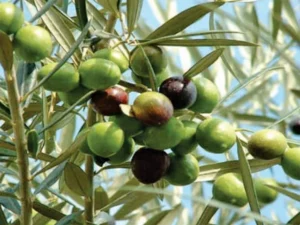
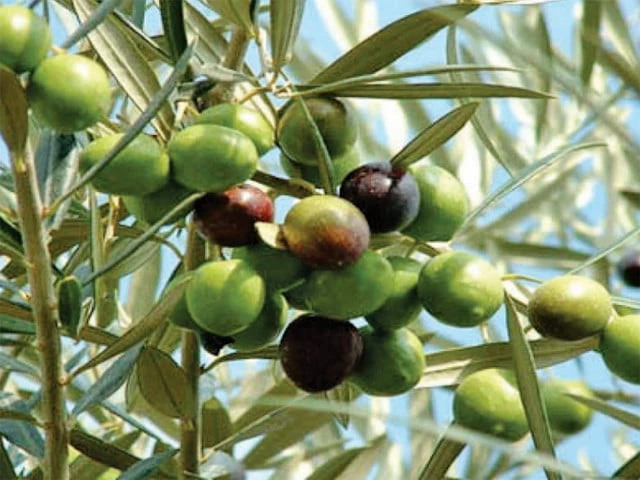
EXPANDING PLANTATIONS: Official estimates indicate millions of olive trees have been planted under various public-sector initiatives, with thousands of acres now under cultivation. Pakistan’s olive-growing zone is estimated to extend across nearly 10 million acres. PHOTO:FILE
LAHORE:
Pakistan’s fledgling olive oil industry is reaching a critical juncture where growers and processors believe future growth will depend less on planting new orchards and more on introducing a comprehensive national policy that regulates quality, incentivises investment and prepares the sector for international markets.
While successive governments have promoted olive cultivation to reduce Pakistan’s annual edible oil import bill, industry stakeholders argue the absence of enforceable standards, certification mechanisms and market regulation is preventing the sector from realising its commercial potential.
“There is no proper implementation framework,” said Dr Qurat-ul-Ain Irfan, founder of Meshak Farms, an olive estate developed on ancestral land in Mardan. “Anyone can market any product as olive oil. Labels may be approved, but there is little monitoring of what is actually inside the bottle.”
Industry participants say concerns extend beyond branding. They point to the lack of routine laboratory testing to detect adulteration, absence of nationally recognised quality grades and limited consumer awareness, all of which make it difficult for genuine producers to differentiate premium extra virgin olive oil from blended or lower-quality products. “There should be standardisation and consumers should know whether they are buying premium extra virgin olive oil, blended oil or another edible oil altogether,” Irfan said during an interview with The Express Tribune. “Without standards, everyone is judged by the same parameters.”
Pakistan remains heavily dependent on imported edible oil, spending around $5-6 billion annually on imports of palm oil, soybean oil and other edible oils, making the sector one of the country’s largest contributors to the import bill. Policymakers have long viewed olive cultivation as a strategic alternative because olive trees can thrive on marginal land while offering significantly higher value than many conventional crops.
Over the past decade, federal and provincial governments have launched programmes to encourage commercial olive cultivation, particularly in Potohar, Khyber-Pakhtunkhwa and Balochistan. Official estimates indicate millions of olive trees have been planted under various public-sector initiatives, with thousands of acres now under cultivation. Pakistan’s olive-growing zone is estimated to extend across nearly 10 million acres of suitable land.
The latest phase of this effort is supported through the OliveCulture Scale-Up Project, funded by the Italian Agency for Development Cooperation (AICS) and implemented by CIHEAM Bari, which is helping strengthen Pakistan’s olive value chain from cultivation to processing and marketing between 2024 and 2027.
For producers like Irfan, however, technical assistance alone will not be sufficient. She believes growers who invest in olive orchards deserve targeted incentives because returns require patience. Unlike seasonal crops, commercial olive plantations generally begin producing meaningful yields only after several years, while optimum production may take more than a decade. “People invest today but may have to wait 10 to 15 years before they start receiving substantial returns,” she said. “The government offers incentives to many sectors. Olive growers also deserve policy support because this industry saves foreign exchange and has export potential.”
Meshak Farms itself reflects that long-term investment. Established on virgin land in Mardan, the project began with imported Arbequina saplings from Italy and Catalonia, combined with drip irrigation and modern orchard management. Drawing on expertise from CIHEAM Bari, the farm has adopted international cultivation practices, including pruning techniques, quality control and harvesting methods aimed at producing premium extra virgin olive oil.
Irfan, who also heads a pharmaceutical manufacturing company exporting to the United Kingdom and the European Union, says the same emphasis on traceability, laboratory testing and quality assurance guides the farm’s approach to olive production.
She believes international demand exists if Pakistan can consistently meet recognised standards. Representatives of an Italian firm indicated they would be willing to source Pakistani olive oil if production facilities obtain internationally recognised certifications such as ISO 14000 and consistently meet quality requirements, she said.
Industry experts note that climate change, ageing orchards and declining productivity in parts of the Mediterranean are prompting global buyers to diversify supply sources, creating an opportunity for emerging producers, including Pakistan.
Yet stakeholders caution that export ambitions will remain difficult to achieve without a credible regulatory framework. They argue the government should introduce mandatory grading standards, stronger testing laboratories, traceability systems, certification procedures and awareness campaigns highlighting the health benefits of authentic locally produced extra virgin olive oil. “Currently the government is helping growers in this field, but the scope should now be expanded to where prices of olive oil in Pakistan should start reducing. Like all other sectors, this sector is also paying taxes, in fact 25% sales tax. The challenge is no longer proving that olives can grow. The bigger test is whether policy can keep pace with an industry that believes it is ready to compete beyond the country’s borders,” Irfan added.