Says Naqvi’s call for systemic reforms should be debated in parliament and the federal cabinet
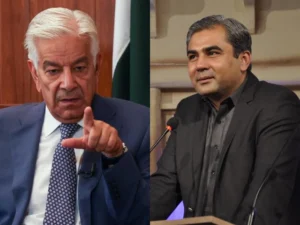
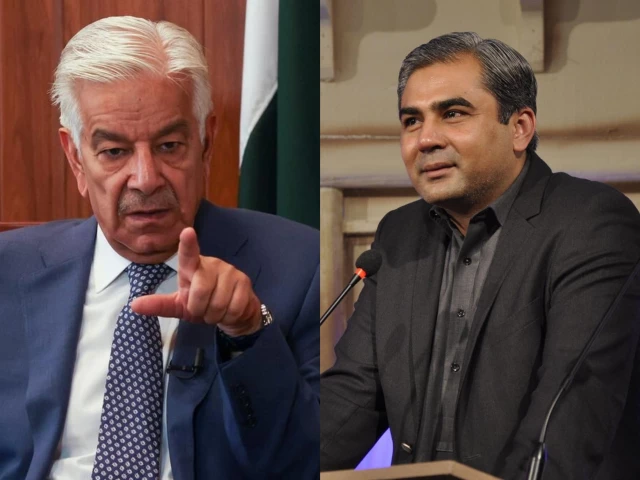
A combination of file photos shows Defence Minister Khawaja Asif and Interior Minister Mohsin Naqvi.
Even as Pakistan Muslim League-Nawaz (PML-N) leaders criticised Interior Minister Mohsin Naqvi for his remarks on the country’s political system, Defence Minister Khawaja Asif came out in support of his call for reforms on Saturday, while urging him to raise the matter in parliament and the federal cabinet.
Earlier this week, Naqvi called for the creation of additional administrative units or provinces to overhaul what he described as the country’s outdated governance system. Addressing the Pakistan Economic Summit 2026 in Islamabad, he argued that Pakistan’s existing governance model had effectively “collapsed” after decades of failing to deliver and said decentralisation was essential to improve public services, ensure timely justice and create opportunities for young people.
Read: Governance system has collapsed: Naqvi
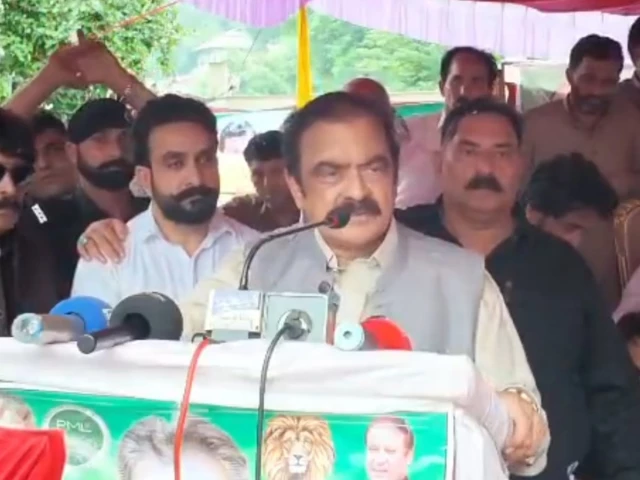
His remarks drew mixed reactions, with several PML-N leaders criticising him and describing him as one of the beneficiaries of the existing system. Among them was PML-N leader and Prime Minister’s aide Rana Sanaullah, who questioned how Naqvi could criticise the current political system after rising to the office of interior minister through the same system in just three and a half years.
However, Asif took a different position from his party colleague, saying he largely agreed with the interior minister’s assessment.
“Mohsin Naqvi Sahib expressed his views on the system’s shortcomings. Personally, I largely agree with these views,” the defence minister said in a post on X.
محسن نقوی صاحب نے سسٹم کی کسمپرسی پہ اپنے خیالات کا اظہار کیا۔ میں ذاتی طور پہ ان خیالات سے کم و بیش اتفاق کرتا ھوں ۔ نقوی صاحب تو ماشا ءاللہ خود ایک پاور ھاؤس ھیں میں بھی بحثیت ایک سیاسی ورکر شدت سے محسوس کرتا ھوں سسٹم کا ارتقائ عمل یا evolution کا پراسیس دہائیوں سے گروہی و…
— Khawaja M. Asif (@KhawajaMAsif) August 1, 2026
Describing Naqvi as “a powerhouse in his own right”, Asif said that as a political worker he believed the country’s political system had, for decades, evolved under the influence of group and personal interests and needed to be freed from them.
He, however, said that if the objective was to strengthen the system and bring about fundamental change, the appropriate forum for such a debate was parliament — of which Naqvi is a member — or the federal cabinet.
“This will strengthen these institutions and the system, and the change will go through the constitutional process,” he said.
Calling Naqvi “a highly respected and credible member” of the cabinet, Asif said discussions on such far-reaching reforms would carry greater weight if held in the relevant constitutional forums rather than before “a captive audience” of businessmen.
He noted that Naqvi had occupied some of the country’s most influential positions over the past three and a half years and could have raised or pursued the issue of systemic reform during that period.
“Well, better late than never,” Asif remarked.
Referring to the National Action Plan (NAP), the defence minister said the director general of the Inter-Services Public Relations had recently referred to its 13 points.
He said implementation of the point assigned to the armed forces was being carried out through sacrifices, whereas implementation of the remaining 12 points, which fell under the Ministry of Interior’s responsibility, had yet to take place.
Addressing the interior minister directly, Asif said: “Naqvi Sahib, begin the change of the system with the implementation of the National Action Plan. Begin the change in the system from your own ministry. Not just our respected business community, the entire nation is with you.”